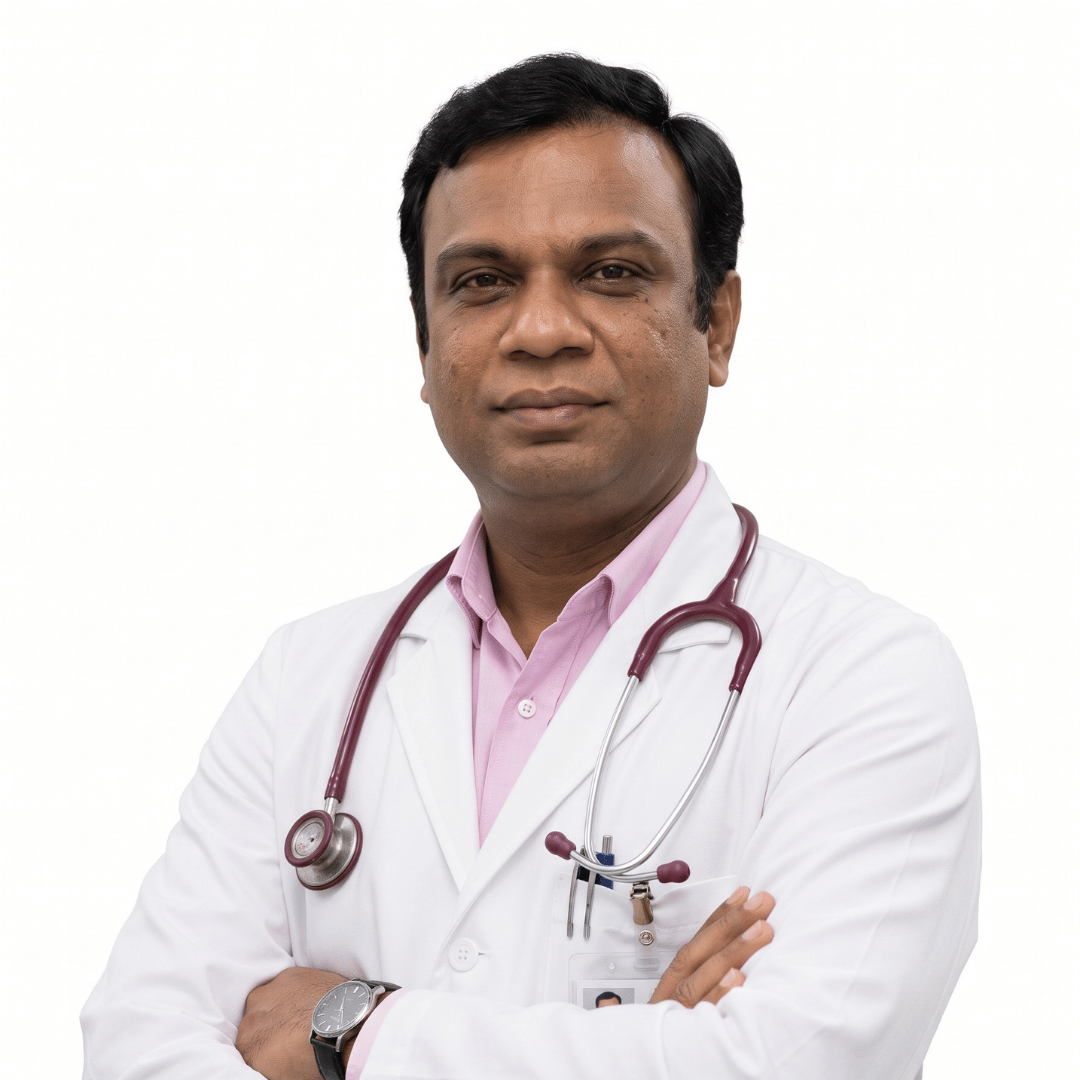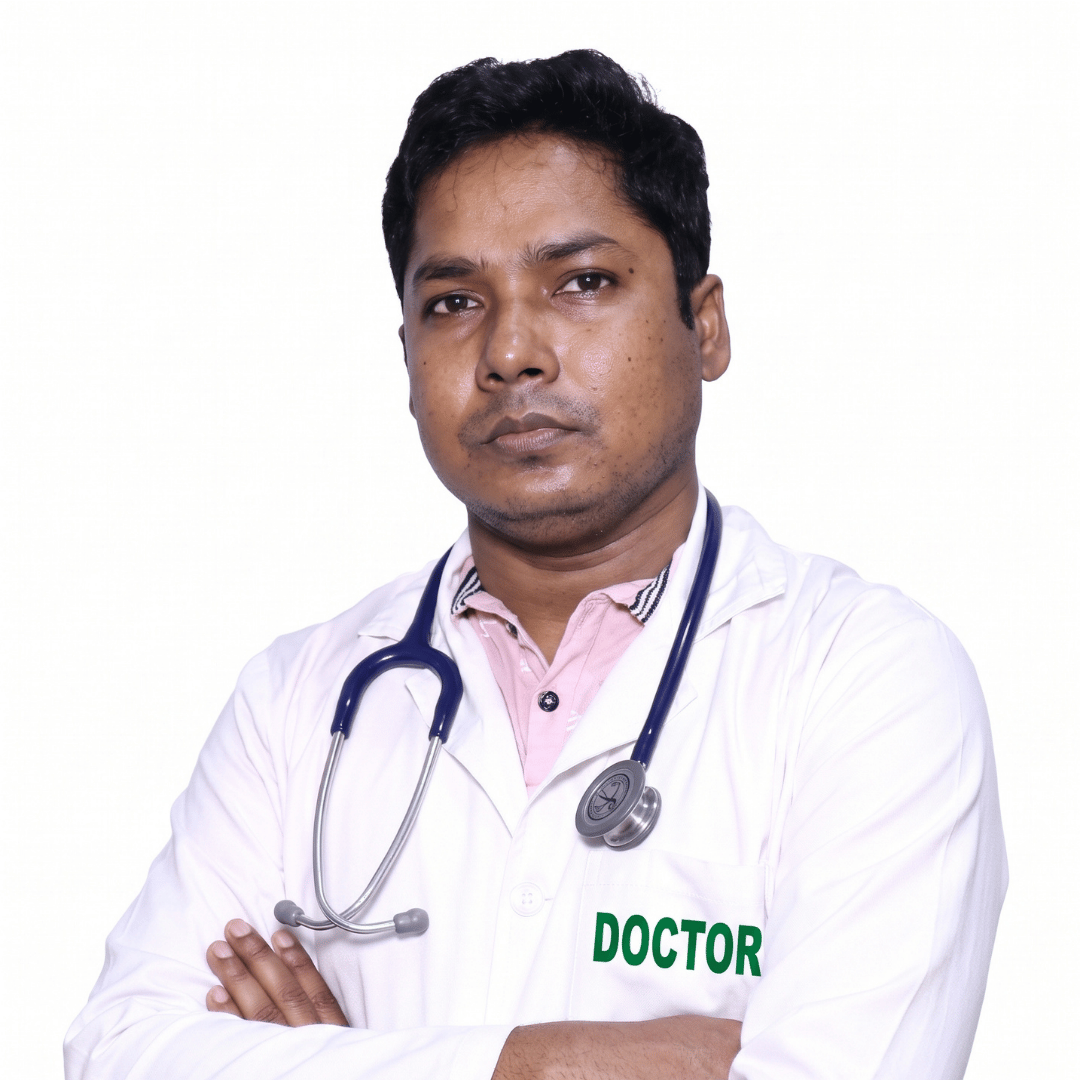
MBBS, BCS (Health), FCPS (Surgery)
General, Laparoscopic, Breast, Piles, Fistula & Colorectal Surgeon
🎯 Appendicitis care, Hernia repair, Gallbladder diseases, Thyroid surgery
View Profile →
General & Laparoscopic Surgery
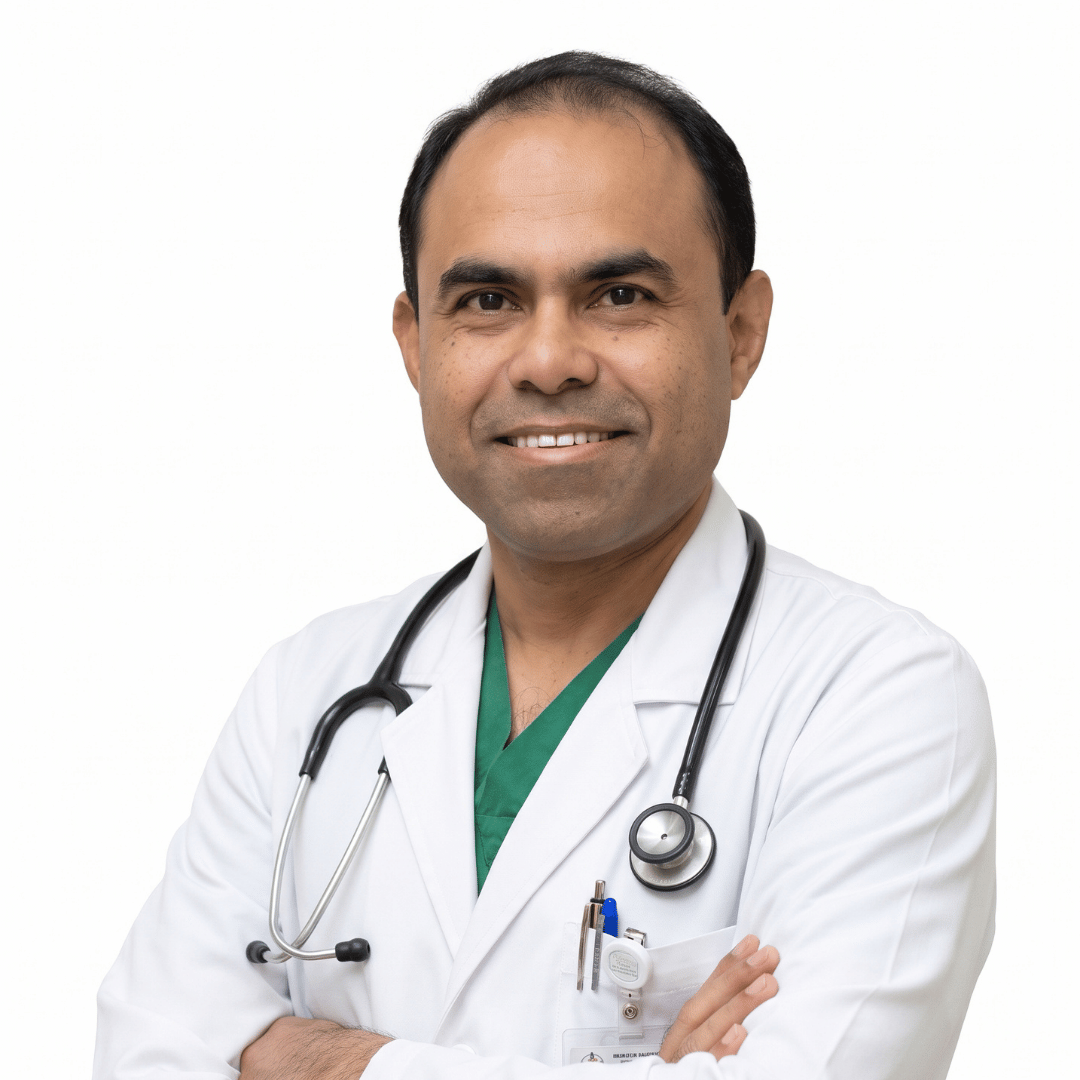
MBBS, FCPS (Surgery), FRCS (UK)
General, Laparoscopic & Colorectal Specialist Surgeon
🎯 Expert in treating: Spleen laceration, Small bowel, Hepatic resection, Retroperitoneal tumor, Carotid endarterectomy
🎓 Professor, Surgery
🏛️ Jessore Medical College & Hospital
Professor, Surgery — Jessore Medical College & Hospital
Prof. Dr. Sheikh Sayidul Haque best General, Laparoscopic, and Colorectal Specialist Surgeon in Jessore and the greater Khulna division delivers specialized diagnostic, surgical, and clinical care for complex abdominal, colorectal, and advanced general surgical conditions. Looking for the best General and Colorectal Surgeon in the region, individuals consult him for precise colorectal cancer resections, advanced laparoscopic procedures, and complex hernia repairs. His clinical practice spans advanced minimal access surgery, colorectal pathology management, endocrine surgery, and academic surgical leadership. He integrates modern surgical techniques with patient-centered post-operative care to optimize surgical outcomes and patient recovery.
🏥 Doctors Point Specialized Hospital, Khulna · Private Hospital
📍 49, KDA Avenue, Khulna
🕒 Visiting hours: 5:00pm to 8:00pm (Closed: Friday)
💳 Consultation fee: ৳800
Prof. Dr. Sheikh Sayidul Haque is a Professor of Surgery at Jessore Medical College & Hospital with over 22 years of distinguished clinical, surgical, and academic experience. As an eminent general surgeon, laparoscopic specialist, and colorectal expert, he provides expert care for colorectal malignancies, advanced laparoscopic surgeries, complex abdominal wall hernias, inflammatory bowel disease complications, and proctological disorders. Patients seeking expert surgical evaluation and intervention receive evidence-based treatments tailored to ensure safe procedures and rapid recovery. His medical practice combines high-precision surgical techniques with individualized patient care plans.
Prof. Dr. Sheikh Sayidul Haque completed his MBBS degree, establishing a comprehensive clinical foundation in general medical sciences. He pursued rigorous postgraduate specializations, earning his Fellowship of the College of Physicians and Surgeons (FCPS) in Surgery alongside the prestigious Fellowship of the Royal College of Surgeons (FRCS) from the United Kingdom—a premier international qualification dedicated to operative and non-operative surgical disorders of the abdomen, endocrine system, and soft tissues. Finding the best General Surgeon or a top Colorectal Specialist in the region leads patients to rely on his 22+ years of academic leadership, medical education, and specialized surgical expertise across premier government medical institutions.
His primary clinical focus includes specialized oncological resections for colorectal cancer, advanced laparoscopic cholecystectomies and appendectomies, tension-free mesh repairs for complex hernias, sphincter-preserving proctological surgeries, and emergency life-saving abdominal interventions. His diagnostic framework incorporates high-resolution ultrasonography, diagnostic laparoscopy, CT and MRI imaging interpretation, and comprehensive surgical risk stratification to formulate effective, long-term care strategies.
| Profile Field | Details |
| Full Name | Prof. Dr. Sheikh Sayidul Haque |
| Primary Specialty | General, Laparoscopic & Colorectal Surgery |
| Secondary Specialties | Advanced Minimal Access Surgery & Surgical Oncology |
| Designation | Professor (Surgery) |
| Workplace | Jessore Medical College & Hospital, Jessore |
| Total Experience | 22+ Years |
| Location | Jessore / Khulna Region, Bangladesh |
MBBS – Bachelor of Medicine and Bachelor of Surgery
FCPS (Surgery) – Fellow of the College of Physicians and Surgeons in Surgery
FRCS (UK) – Fellow of the Royal College of Surgeons, United Kingdom
Designation: Professor (Surgery)
Workplace: Department of Surgery, Jessore Medical College & Hospital, Jessore
Colorectal cancer requires comprehensive oncological resection.
Complex abdominal hernias demand tension-free mesh repair.
Gallbladder disease demands laparoscopic cholecystectomy.
Appendicitis requires urgent laparoscopic appendectomy.
Piles (hemorrhoids) require specialized proctological intervention.
Anal fistula demands advanced sphincter-preserving surgery.
Inflammatory bowel disease complications need surgical management.
Bowel obstruction needs emergency surgical decompression.
Breast lumps require excisional biopsy and evaluation.
Thyroid nodules demand precision surgical management.
Abdominal trauma demands rapid surgical exploration.
Perianal abscesses require surgical incision and drainage.
Varicose veins need vascular surgical management.
Soft tissue lipomas and cysts require excision.
Diabetic foot infections require surgical debridement.
Prof. Dr. Sheikh Sayidul Haque provides comprehensive medical, diagnostic, and surgical services across all major fields of general surgery, laparoscopy, and colorectal care.
Colorectal & Oncological Surgery: Specialized surgical protocols for colorectal cancer, diverticular disease, inflammatory bowel complications, and advanced proctology.
Laparoscopic & Minimal Access Surgery: Minimally invasive cholecystectomies, appendectomies, diagnostic laparoscopies, and advanced laparoscopic hernia repairs ensuring rapid recovery.
Hernia & Abdominal Wall Surgery: Tension-free mesh repair techniques and complex wall reconstruction for inguinal, umbilical, incisional, and ventral hernias.
Endocrine & General Surgery: Precision surgical management for thyroid disorders, breast lumps, soft tissue lesions, and acute abdominal emergencies.
Precision oncological surgery involving the removal of malignant colonic or rectal tumors along with draining lymph nodes, utilizing modern anastomotic techniques.
Minimally invasive surgical removal of the gallbladder and reinforced mesh repair for abdominal wall hernias using tiny incisions to minimize post-operative pain.
Modern surgical interventions, including stapled hemorrhoidopexy and LIFT procedures, designed to treat complex piles and anal fistulas while protecting continence.
Malignant tumors originating in the colon or rectum, requiring multidisciplinary staging, oncological evaluation, and precise surgical resection to achieve optimal survival outcomes.
Weaknesses or defects in the abdominal wall allowing tissue protrusion, managed through advanced reinforcement and tension-free mesh repair techniques.
Severe manifestations of Crohn's disease or ulcerative colitis—such as strictures, fistulas, or perforations—requiring targeted surgical resection and bowel preservation.
Prof. Dr. Sheikh Sayidul Haque combines meticulous clinical surgical examination with advanced imaging interpretation and minimally invasive techniques. His evidence-based philosophy emphasizes patient education, rigorous pre-operative safety checks, and structured post-operative recovery protocols.
Emergency Callout: Immediate emergency surgical evaluation is required if a patient experiences sudden severe abdominal pain with rigidity, high fever with vomiting and absolute constipation (bowel obstruction), strangulated hernia symptoms, or massive gastrointestinal bleeding.
Member, Bangladesh Medical and Dental Council (BMDC)
Fellow, Royal College of Surgeons (FRCS, UK)
Member, Society of Surgeons of Bangladesh (SSB)
Member, Association of Surgeons of Bangladesh (ASB)
Bring all prior diagnostic imaging films (ultrasound, CT scans, MRI), colonoscopy reports, and previous surgical consultation notes.
Maintain a complete list of current prescription medications, blood pressure logs, and past medical history records.
Keep a detailed symptom diary noting pain intensity, onset, and associated digestive changes.
Ensure a family member accompanies the patient to assist with surgical consent and post-operative care discussions.
Last Modified: October 20, 2026
Colorectal cancer typically presents with rectal bleeding, changes in bowel habits (persistent diarrhea or constipation), unexplained weight loss, abdominal cramps, and iron-deficiency anemia. Diagnostic evaluation via colonoscopy and biopsy confirms the diagnosis. Prompt surgical resection of the tumor along with regional lymph nodes offers the best chance for long-term cure and disease control.
The Fellowship of the Royal College of Surgeons (FRCS) from the United Kingdom is a rigorous, internationally recognized postgraduate qualification that signifies the highest standards of surgical training, clinical judgment, and operative competence. Surgeons holding this qualification bring advanced global techniques and adherence to international safety protocols to their clinical practice.
Complex abdominal wall hernias—such as large incisional or recurrent hernias—are managed using advanced tension-free mesh repair techniques or component separation techniques. Placing synthetic mesh securely reinforces weakened muscle walls without creating tension, significantly reducing recurrence rates and ensuring faster patient rehabilitation.
Advanced piles and complex anal fistulas are treated using modern proctological techniques ranging from rubber band ligation and stapled hemorrhoidopexy to advanced sphincter-preserving fistula surgeries like LIFT or laser ablation. These modern approaches minimize post-operative discomfort, protect anal sphincter function, and ensure rapid healing.
Surgical intervention for inflammatory bowel disease (Crohn's disease or ulcerative colitis) becomes necessary when patients develop complications such as intestinal obstruction from strictures, fistulas, abscesses, bowel perforation, massive bleeding, or failure of medical therapy combined with suspected dysplasia. Surgeries are carefully planned to remove diseased segments while preserving maximum intestinal length.
Laparoscopic surgeries offer significant advantages over traditional open procedures, including smaller incisions, reduced post-operative pain, shorter hospital stays, quicker recovery times, and a lower risk of wound infections. Patients can resume their normal routines much faster while achieving excellent cosmetic results.
A patient should seek immediate emergency surgical care if abdominal pain is sudden, severe, and unrelenting, or accompanied by abdominal rigidity, high fever, repeated vomiting, or signs of shock. These symptoms may indicate acute surgical emergencies like bowel perforation, appendicitis rupture, or a strangulated hernia.
Pre-operative risk assessment involves evaluating cardiac, pulmonary, and renal function, alongside nutritional status, to ensure the patient can safely tolerate major oncological surgery and anesthesia. This thorough stratification helps surgeons minimize complications and tailor post-operative care protocols.
Patients should bring all prior diagnostic imaging films (ultrasound, CT scans, MRI), colonoscopy or endoscopy reports, complete blood count results, and previous surgical consultation records. Providing a clear timeline of symptoms and a list of current medications is also vital. Having these records enables Prof. Dr. Haque to perform an efficient surgical evaluation.
No reviews yet — be the first to write one.
MBBS, BCS (Health), FCPS (Surgery)
General, Laparoscopic, Breast, Piles, Fistula & Colorectal Surgeon
🎯 Appendicitis care, Hernia repair, Gallbladder diseases, Thyroid surgery
View Profile →MBBS, BCS (Health), FCPS (Surgery)
M. S. in Surgical Oncology
General, Colorectal, Breast & Laparoscopic, Cancer Surgeon
🎯 Cancer surgery, Incisional hernia, Gastric bypass, Pyloric stenosis, Anal fistula
View Profile →MBBS, BCS (Health), MCPS (Surgery)
General, Laparoscopic, Breast, Piles, Fistula & Colorectal Surgeon
🎯 Inguinal hernia, Piles & Fistula, Appendectomy cases, Hemorrhoid surgery, Thyroid nodule
View Profile →MBBS, BCS (Health), FCPS (Surgery)
General, Laparoscopic, Piles & Hernia Surgery Specialist
🎯 Diverticular disease, Peptic ulcer, Breast lump, Colorectal cancer, Splenectomy care
View Profile →MBBS, MCPS, FCPS (Surgery)
General, Laparoscopic & Colorectal Surgeon
🎯 Perianal abscess, Femoral hernia, Umbilical hernia, Parastomal hernia, Rectal prolapse
View Profile →MBBS, BCS (Health), MS (General Surgery)
General, Breast, Laparoscopic & Colorectal Surgeon
🎯 Thyroglossal duct, Abdominal compartment, Short bowel, Enterocutaneous fistula, Splenic abscess
View Profile →MBBS, BCS (Health), FCPS (Surgery)
General, Laparoscopic, Breast & Colorectal Surgeon
🎯 Thyroidectomy care, Parathyroid adenoma, Pilonidal cystectomy, Biliary stricture, Necrotizing fasciitis
View Profile →MBBS, FCPS (Surgery), FMAS (India)
General, Colorectal & Laparoscopic Surgeon
🎯 Bariatric surgery, Adrenalectomy care, Esophageal reflux, Mesenteric ischemia, Trauma laparotomy
View Profile →MBBS, BCS (Health), FCPS (Surgery), FMAS (India)
General, Laparoscopic, Breast & Colorectal Specialist Surgeon
🎯 Pilonidal sinus, Varicose veins, Hydrocele repair, Intestinal perforation, Soft tissue
View Profile →All General & Laparoscopic Surgery doctors in Khulna → · All of Khulna Division →