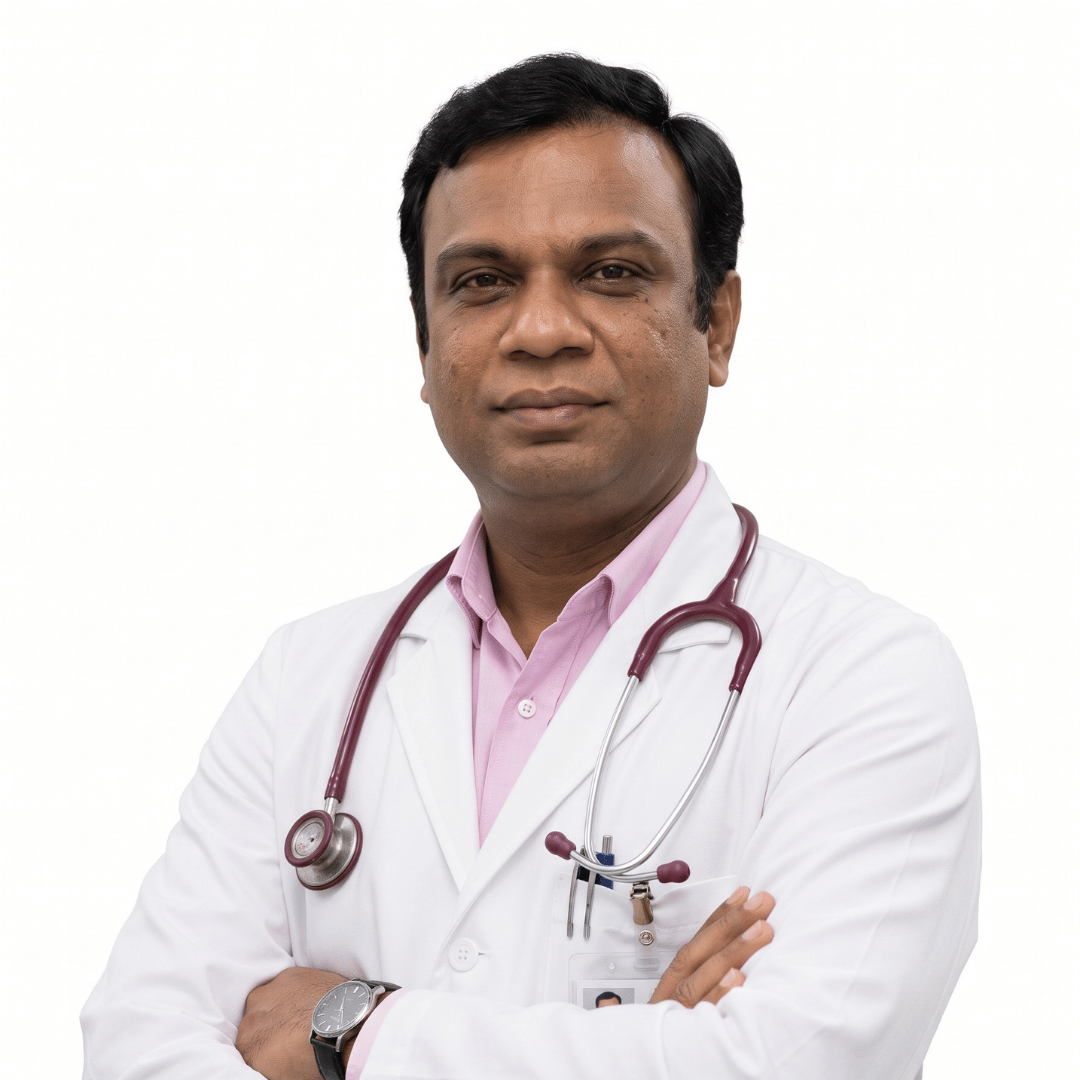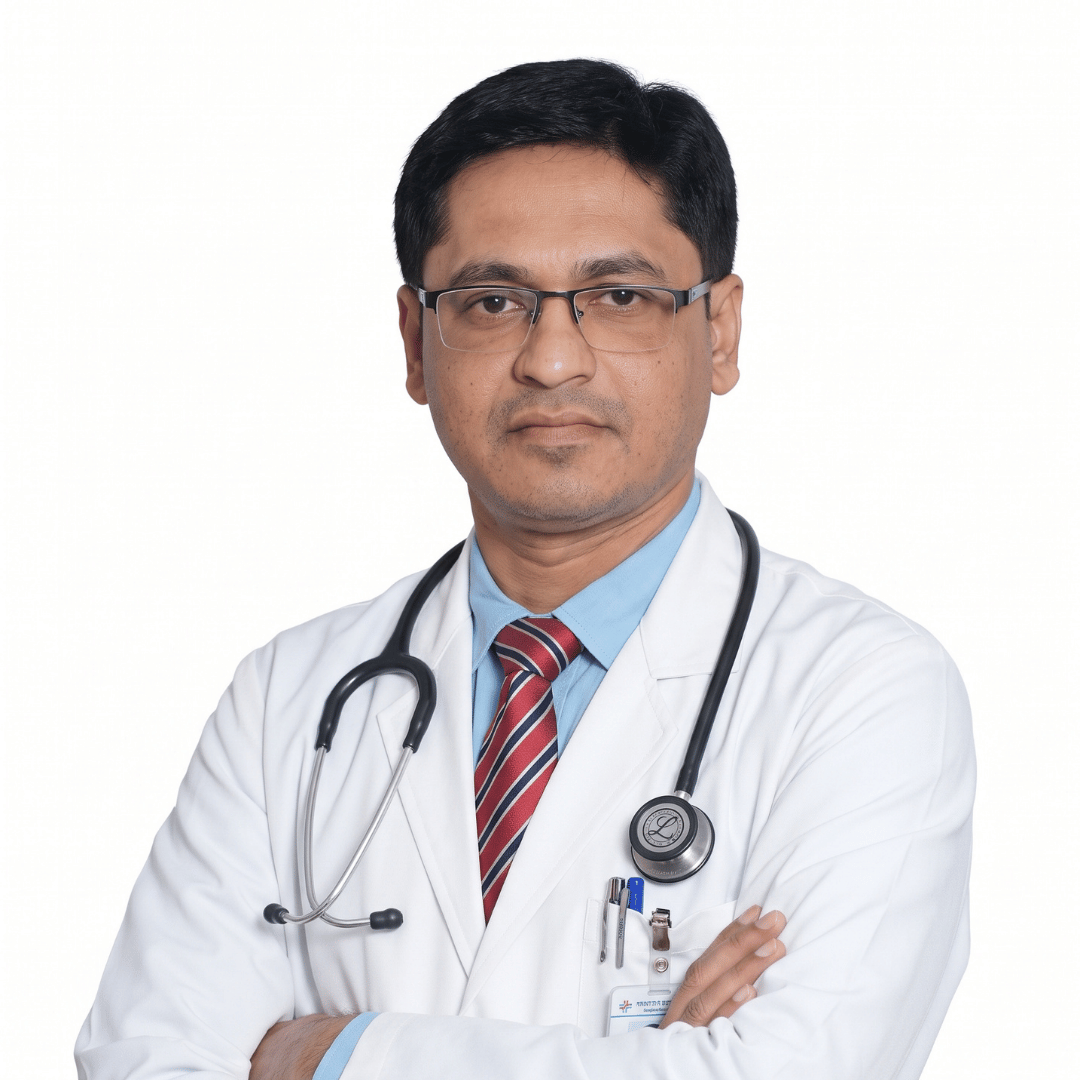

MBBS, BCS (Health), FCPS (Surgery)
General, Laparoscopic, Breast, Piles, Fistula & Colorectal Surgeon
🎯 Appendicitis care, Hernia repair, Gallbladder diseases, Thyroid surgery
View Profile →
General & Laparoscopic Surgery
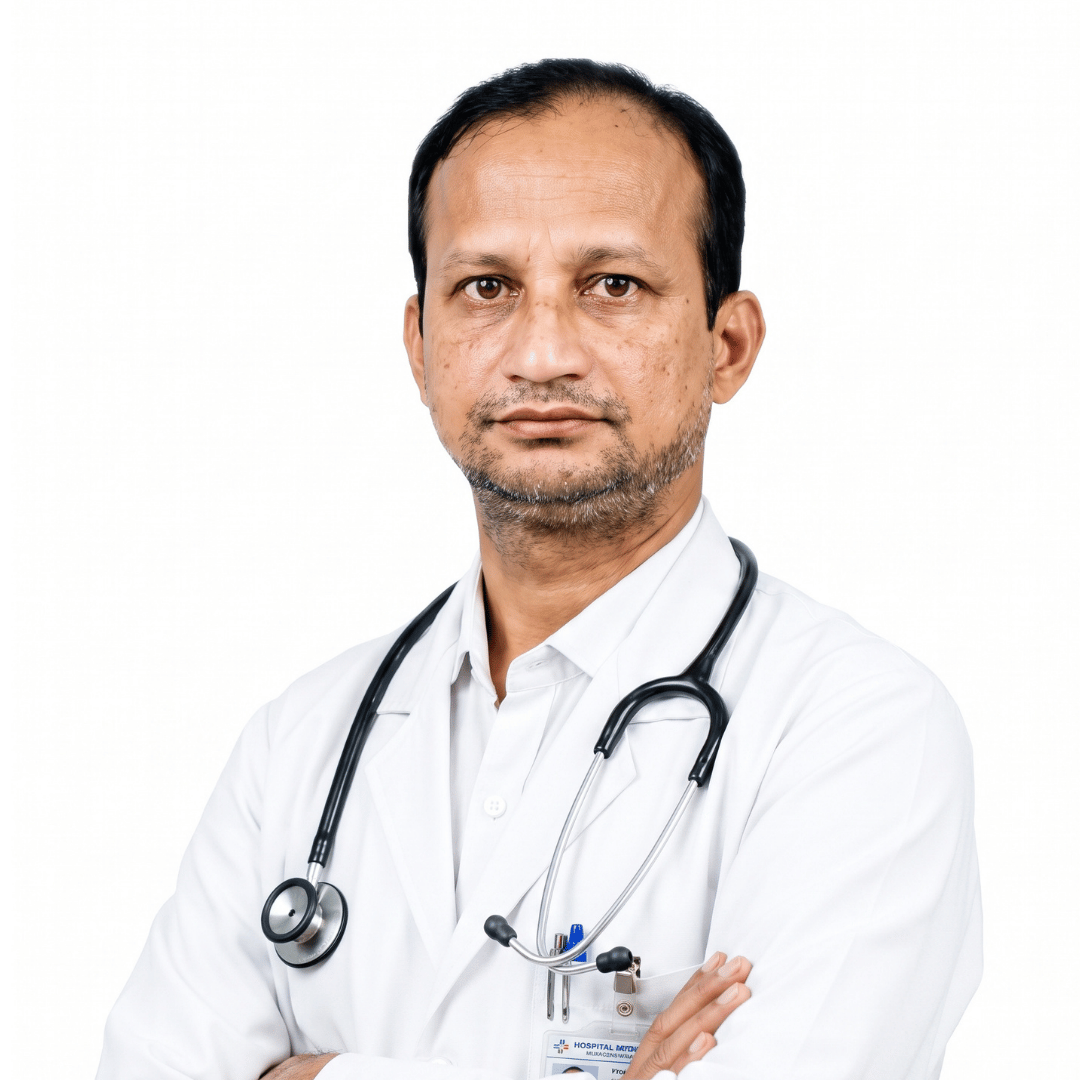
MBBS, MCPS, FCPS (Surgery)
General, Laparoscopic & Colorectal Surgeon
🎯 Expert in treating: Perianal abscess, Femoral hernia, Umbilical hernia, Parastomal hernia, Rectal prolapse
🎓 Associate Professor, (Surgery)
🏛️ Bangladesh Navy Hospital, Khalishpur, Khulna
Associate Professor, (Surgery) — Bangladesh Navy Hospital, Khalishpur, Khulna
Lt. Col. Dr. Md. Mustasinul Islam, the best General Surgeon and Laparoscopic Surgeon in Khulna City, delivers specialized diagnostic, surgical, and clinical care for complex hernias, perianal infections, rectal prolapse, and advanced abdominal conditions. Looking for the best General Surgeon in Khulna, individuals consult him for precise femoral and parastomal hernia repairs, umbilical hernia reconstructions, and expert management of perianal abscesses and rectal prolapse. His clinical practice spans advanced laparoscopy, colorectal surgery, military and institutional healthcare leadership, and complex abdominal wall reconstructions. He integrates modern surgical techniques with patient-centered post-operative care to optimize surgical outcomes and patient recovery.
🏥 Sunrise Diagnostic & Consultation Center · Diagnostic Center
📍 428, Khanjahan Ali Road (Opposite to Hamid Ali School), Khulna
🕒 Visiting hours: 3:00pm to 9:00pm (Closed: Friday)
💳 Consultation fee: ৳800
Lt. Col. Dr. Md. Mustasinul Islam is an Associate Professor of Surgery at Bangladesh Navy Hospital, Khalishpur, Khulna with over 12 years of distinguished clinical, surgical, and institutional experience. As an eminent general surgeon, laparoscopic specialist, and colorectal expert, he provides expert care for perianal abscesses, femoral hernias, umbilical hernias, parastomal hernias, and rectal prolapse. Patients seeking expert surgical evaluation and intervention receive evidence-based treatments tailored to ensure safe procedures and rapid recovery. His medical practice combines high-precision surgical techniques with individualized patient care plans.
Lt. Col. Dr. Md. Mustasinul Islam completed his MBBS degree, establishing a comprehensive clinical foundation in general medical sciences. He pursued rigorous postgraduate specializations, earning his Membership of the College of Physicians and Surgeons (MCPS) in Surgery and subsequently his Fellowship of the College of Physicians Surgeons (FCPS) in Surgery—premier postgraduate qualifications dedicated to operative and non-operative surgical disorders of the abdomen, endocrine system, and soft tissues. Finding the best General Surgeon in Khulna or a top Laparoscopic Specialist leads patients to rely on his 12+ years of academic leadership and specialized surgical expertise across premier institutional and military medical facilities.
His primary clinical focus includes specialized surgical drainage for perianal abscesses, tension-free mesh repairs for femoral and umbilical hernias, complex abdominal wall reconstruction for parastomal hernias, and advanced perineal or abdominal procedures for rectal prolapse. His diagnostic framework incorporates high-resolution abdominal ultrasonography, diagnostic laparoscopy, CT imaging interpretation, and comprehensive surgical risk stratification to formulate effective, long-term care strategies.
| Profile Field | Details |
| Full Name | Lt. Col. Dr. Md. Mustasinul Islam |
| Primary Specialty | General & Laparoscopic Surgery |
| Secondary Specialties | Colorectal Surgery, Abdominal Wall Reconstruction & Proctology |
| Designation | Associate Professor (Surgery) |
| Workplace | Bangladesh Navy Hospital, Khalishpur, Khulna |
| Total Experience | 12+ Years |
| Location | Khalishpur, Khulna, Bangladesh |
MBBS – Bachelor of Medicine and Bachelor of Surgery
MCPS (Surgery) – Member of the College of Physicians and Surgeons in Surgery
FCPS (Surgery) – Fellow of the College of Physicians and Surgeons in Surgery
Designation: Associate Professor (Surgery)
Workplace: Department of Surgery, Bangladesh Navy Hospital, Khalishpur, Khulna
Perianal abscess requires urgent surgical incision and drainage.
Femoral hernia demands prompt tension-free mesh repair.
Umbilical hernia repairs abdominal wall integrity.
Parastomal hernia requires complex abdominal wall reconstruction.
Rectal prolapse demands specialized perineal or abdominal repair.
Inguinal and incisional hernias require tension-free mesh repair.
Appendicitis requires urgent laparoscopic appendectomy.
Gallbladder disease demands cholecystectomy care.
Piles (hemorrhoids) require specialized proctological intervention.
Anal fistula demands advanced sphincter-preserving surgery.
Bowel obstruction needs emergency surgical decompression.
Breast lumps require excisional biopsy and evaluation.
Abdominal trauma demands rapid surgical exploration.
Varicose veins need vascular surgical management.
Diabetic foot infections require surgical debridement.
Lt. Col. Dr. Md. Mustasinul Islam provides comprehensive medical, diagnostic, and surgical services across all major fields of general surgery, laparoscopy, and proctology.
Laparoscopic & Minimal Access Surgery: Minimally invasive cholecystectomies, appendectomies, and diagnostic laparoscopies ensuring faster recovery and minimal scarring.
Complex Hernia & Abdominal Wall Surgery: Specialized mesh repair techniques and reconstruction protocols for femoral, umbilical, parastomal, and incisional hernias.
Colorectal & Proctological Surgery: Specialized surgical protocols for perianal abscesses, rectal prolapse, piles (hemorrhoids), and anal fistulas.
Emergency & General Surgery: Rapid surgical intervention for acute abdomen, trauma laparotomy, and soft tissue infections.
Precision surgical management to evacuate purulent collections, prevent fistulization, and alleviate acute anorectal pain safely.
Advanced open and laparoscopic surgical techniques utilizing synthetic mesh to reinforce weakened abdominal wall defects and prevent recurrence.
Specialized surgical correction addressing full-thickness protrusion of the rectum, restoring normal anatomical support and bowel control.
A common type of incisional hernia developing adjacent to a surgical ostomy site, requiring specialized mesh repair and reinforcement techniques.
A condition where the rectum slips outside the anus, managed through specialized surgical procedures like Delorme's, Altemeier's, or laparoscopic rectopexy.
A weakness in the groin canal below the inguinal ligament carrying a high risk of incarceration, requiring prompt elective surgical repair.
Lt. Col. Dr. Md. Mustasinul Islam combines meticulous clinical surgical examination with advanced imaging interpretation and minimally invasive techniques. His evidence-based philosophy emphasizes patient education, rigorous pre-operative safety checks, and structured post-operative recovery protocols.
Emergency Callout: Immediate emergency surgical evaluation is required if a patient experiences sudden severe abdominal pain with rigidity, high fever with vomiting and absolute constipation (bowel obstruction), strangulated hernia symptoms (red, painful, irreducible groin bulge), or massive gastrointestinal bleeding.
Member, Bangladesh Medical and Dental Council (BMDC)
Member, Society of Surgeons of Bangladesh (SSB)
Member, Association of Surgeons of Bangladesh (ASB)
Bring all prior abdominal ultrasound reports, CT scans, and previous surgical consultation notes.
Maintain a complete list of current prescription medications, blood pressure logs, and past medical history records.
Keep a detailed symptom diary noting pain intensity, onset, and associated digestive changes.
Ensure a family member accompanies the patient to assist with surgical consent and post-operative care discussions.
Last Modified: October 20, 2026
Femoral hernias occur just below the inguinal ligament in the groin and have a significantly higher risk of tissue incarceration and strangulation compared to other hernias because the femoral ring is rigid and narrow. Prompt surgical repair is essential to prevent bowel tissue death and emergency complications.
A parastomal hernia develops when abdominal contents protrude through the muscle wall around a surgical stoma. Management depends on symptom severity and defect size, ranging from supportive binder therapy to complex open or laparoscopic mesh repair (such as the Sugarbaker or Keyhole techniques) to reinforce the area without obstructing the stoma.
Rectal prolapse is treated using either perineal approaches (such as Delorme's or Altemeier's procedures) or abdominal approaches (such as laparoscopic rectopexy). The choice of procedure depends on the patient's age, overall health status, and functional goals, aiming to restore normal rectal anatomy and prevent recurrence.
A perianal abscess is an acute collection of pus near the anal opening caused by infected anal glands. Prompt surgical incision and drainage are essential to relieve severe throbbing pain, prevent the infection from spreading into deeper tissue planes, and reduce the likelihood of chronic anal fistula formation.
Tension-free mesh repair is preferred because placing a synthetic mesh over the abdominal wall defect reinforces the weakened tissue without pulling surrounding muscles tightly together. This technique significantly reduces post-operative pain, lowers recurrence rates, and allows for a much quicker return to normal daily activities.
Laparoscopic surgeries offer significant advantages over traditional open procedures, including smaller incisions, reduced post-operative pain, shorter hospital stays, quicker recovery times, and a lower risk of wound infections. Patients can resume their normal routines much faster while achieving excellent cosmetic results.
A patient should seek immediate emergency surgical care if abdominal or groin pain is sudden, severe, and unrelenting, or accompanied by a firm, painful, irreducible bulge, high fever, repeated vomiting, or signs of shock. These symptoms may indicate an incarcerated or strangulated hernia requiring immediate surgery.
Pre-operative risk assessment involves evaluating pulmonary, cardiac, and metabolic status—such as controlling blood sugar levels and managing smoking cessation—to ensure the patient can safely undergo extensive abdominal wall reconstruction. This thorough preparation minimizes wound complications and recurrence.
Patients should bring all prior diagnostic imaging films (ultrasound, CT scans), complete blood count reports, fasting blood sugar levels, and previous surgical consultation records. Providing a clear timeline of symptoms and a list of current medications is also vital. Having these records enables Dr. Mustasinul Islam to perform an efficient surgical evaluation.
No reviews yet — be the first to write one.
MBBS, BCS (Health), FCPS (Surgery)
General, Laparoscopic, Breast, Piles, Fistula & Colorectal Surgeon
🎯 Appendicitis care, Hernia repair, Gallbladder diseases, Thyroid surgery
View Profile →MBBS, BCS (Health), FCPS (Surgery)
M. S. in Surgical Oncology
General, Colorectal, Breast & Laparoscopic, Cancer Surgeon
🎯 Cancer surgery, Incisional hernia, Gastric bypass, Pyloric stenosis, Anal fistula
View Profile →MBBS, BCS (Health), MCPS (Surgery)
General, Laparoscopic, Breast, Piles, Fistula & Colorectal Surgeon
🎯 Inguinal hernia, Piles & Fistula, Appendectomy cases, Hemorrhoid surgery, Thyroid nodule
View Profile →MBBS, BCS (Health), FCPS (Surgery)
General, Laparoscopic, Piles & Hernia Surgery Specialist
🎯 Diverticular disease, Peptic ulcer, Breast lump, Colorectal cancer, Splenectomy care
View Profile →MBBS, BCS (Health), MS (General Surgery)
General, Breast, Laparoscopic & Colorectal Surgeon
🎯 Thyroglossal duct, Abdominal compartment, Short bowel, Enterocutaneous fistula, Splenic abscess
View Profile →MBBS, BCS (Health), FCPS (Surgery)
General, Laparoscopic, Breast & Colorectal Surgeon
🎯 Thyroidectomy care, Parathyroid adenoma, Pilonidal cystectomy, Biliary stricture, Necrotizing fasciitis
View Profile →MBBS, FCPS (Surgery), FRCS (UK)
General, Laparoscopic & Colorectal Specialist Surgeon
🎯 Spleen laceration, Small bowel, Hepatic resection, Retroperitoneal tumor, Carotid endarterectomy
View Profile →MBBS, FCPS (Surgery), FMAS (India)
General, Colorectal & Laparoscopic Surgeon
🎯 Bariatric surgery, Adrenalectomy care, Esophageal reflux, Mesenteric ischemia, Trauma laparotomy
View Profile →MBBS, BCS (Health), FCPS (Surgery), FMAS (India)
General, Laparoscopic, Breast & Colorectal Specialist Surgeon
🎯 Pilonidal sinus, Varicose veins, Hydrocele repair, Intestinal perforation, Soft tissue
View Profile →All General & Laparoscopic Surgery doctors in Khulna → · All of Khulna Division →