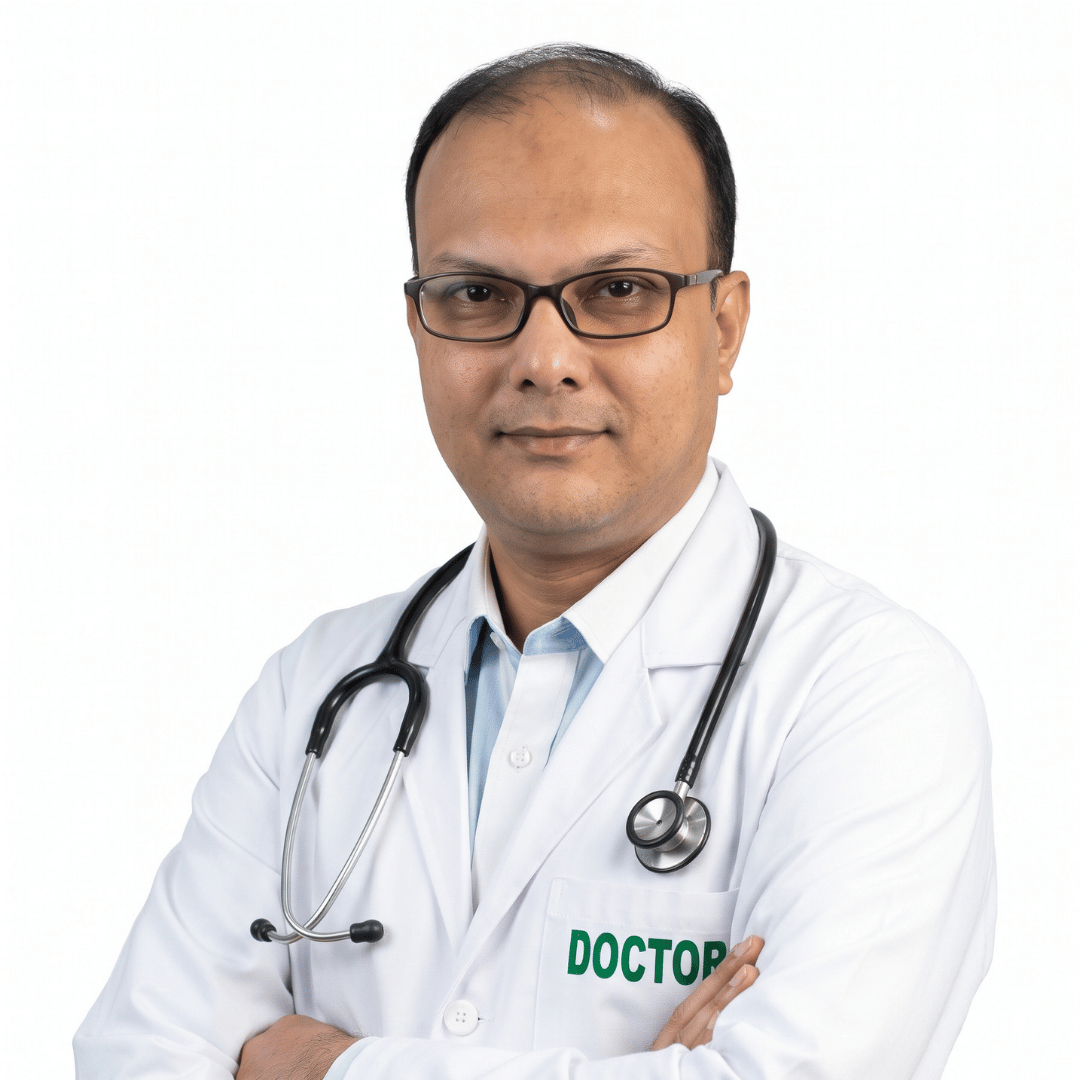
Dr. Shammy Akhter – Psychiatry, Neuro-Psychiatry, Sex Health & Drug Addiction Specialist in Khulna
Dr. Shammy Akhter is an Associate Professor of Psychiatry at Gazi Medical College & Hospital, Khulna with over 10 years of distinguished clinical, academic, and neuropsychiatric experience. As an eminent Psychiatrist and International Member of the American Psychiatric Association (MAPA), she provides expert care for hoarding disorder, hair-pulling disorder (trichotillomania), skin-picking disorder (excoriation), intermittent explosive disorder, and somatic symptom disorder. Patients seeking expert psychiatric evaluation receive evidence-based treatments tailored to ensure emotional recovery and behavioral stability. Her medical practice combines high-precision psychiatric diagnostics with individualized patient care plans.
Professional Biography
Dr. Shammy Akhter completed her MBBS degree, establishing a comprehensive clinical foundation in general medical sciences. She pursued rigorous postgraduate specializations, earning both her Membership (MCPS) and Fellowship (FCPS) of the College of Physicians and Surgeons in Psychiatry. Furthermore, her dedication to global mental health standards earned her a prestigious membership in the American Psychiatric Association (MAPA, USA). Finding the best Psychiatrist in Khulna leads patients to rely on her 10+ years of academic leadership and specialized clinical expertise across top-tier medical institutions.
Her primary clinical focus includes specialized habit reversal training for trichotillomania and excoriation, cognitive restructuring and exposure interventions for hoarding disorder, anger management and impulse control protocols for intermittent explosive disorder, and comprehensive psychiatric evaluation for somatic symptom disorders. Her diagnostic framework incorporates detailed psychiatric evaluations, psychometric assessments, and comprehensive psychosocial risk stratification to formulate effective, long-term mental health strategies.
At-a-Glance Profile Card
| Profile Field | Details |
| Full Name | Dr. Shammy Akhter |
| Primary Specialty | Psychiatry & Neuro-Psychiatry |
| Secondary Specialties | Sex Health, Addiction & Impulse Control Disorders |
| Designation | Associate Professor (Psychiatry) |
| Workplace | Gazi Medical College & Hospital, Khulna |
| Total Experience | 10+ Years |
| Location | Khulna, Bangladesh |
Qualifications & Education
MBBS – Bachelor of Medicine and Bachelor of Surgery
MCPS (Psychiatry) – Member of the College of Physicians and Surgeons
FCPS (Psychiatry) – Fellow of the College of Physicians and Surgeons
MAPA (USA) – Member of the American Psychiatric Association
Designation & Workplace
Designation: Associate Professor (Psychiatry)
Workplace: Department of Psychiatry, Gazi Medical College & Hospital, Khulna
Diseases Treated
Hoarding disorder requires intensive cognitive restructuring and home-based interventions.
Trichotillomania (hair-pulling) demands targeted habit reversal training.
Excoriation (skin-picking) disorder needs specific behavioral and pharmacological care.
Intermittent explosive disorder requires anger management and mood stabilization.
Somatic symptom disorder demands comprehensive psychosomatic evaluation.
Psycho-sexual dysfunctions require sensitive psychosexual counseling.
Drug addiction and substance abuse need structured detoxification protocols.
Major depressive disorder requires intensive mood stabilization.
Generalized anxiety disorder demands targeted anxiolytic care.
Obsessive-compulsive disorder (OCD) requires specialized psychopharmacology.
Panic disorder requires acute panic attack management.
Post-traumatic stress disorder (PTSD) demands trauma-informed psychiatric care.
Bipolar affective disorder needs precise mood stabilizer titration.
Schizophrenia spectrum requires long-term antipsychotic management.
Insomnia and sleep disorders demand sleep hygiene and medical correction.
Clinical Specialties & Treatment Areas
Impulse Control & Obsessive Spectrum: Specialized behavioral protocols for trichotillomania, excoriation, and hoarding disorder utilizing advanced cognitive therapies.
Neuro-Psychiatry & Somatoform Disorders: Precision management for patients experiencing intense physical symptoms (somatic) linked to psychological distress, and disorders combining neurological and psychiatric symptoms.
Sex Health & Addiction Psychiatry: Advanced diagnostic and therapeutic counseling for psychogenic sexual dysfunctions and comprehensive drug rehabilitation.
Advanced Procedure Breakdown
Habit Reversal Training (HRT)
A highly effective behavioral therapy specifically designed for impulse control issues like trichotillomania and excoriation. It trains patients to recognize the exact urges preceding the behavior and replace the harmful action with a neutral, competing physical response.
Cognitive Restructuring for Hoarding
A specialized form of Cognitive Behavioral Therapy (CBT) that helps individuals challenge and change their deep-seated beliefs about the value of possessions, gradually building their capacity to discard items and organize their living spaces safely.
Anger & Impulse Control Therapy
A structured psychotherapeutic intervention for Intermittent Explosive Disorder that teaches patients to identify anger triggers, utilize distress tolerance techniques, and apply relaxation strategies before impulsive aggression occurs.
Condition-Specific Deep Dives
Hoarding Disorder
A persistent difficulty discarding or parting with possessions, regardless of their actual value, leading to severely cluttered living spaces. This condition often stems from a perceived need to save items and distress associated with discarding them, requiring highly specialized therapy.
Trichotillomania (Hair-Pulling Disorder)
A mental health condition characterized by recurrent, irresistible urges to pull out hair from the scalp, eyebrows, or other areas, resulting in noticeable hair loss and significant psychosocial impairment.
Intermittent Explosive Disorder (IED)
An impulse-control disorder involving sudden episodes of unwarranted, aggressive, and violent outbursts out of proportion to the situation. Patients often feel a sense of relief during the outburst, followed immediately by remorse or embarrassment.
The Doctor’s Clinical Approach
Dr. Shammy Akhter combines meticulous clinical mental health assessments with deep empathetic listening and evidence-based neuro-psychiatry. Her philosophy emphasizes dismantling mental health stigma, identifying the root neurobiological causes of impulsive behaviors, ensuring rigorous medication safety, and structuring holistic recovery protocols that integrate therapy with lifestyle changes.
Specialized Risk Factors
Emergency Callout: Immediate emergency medical evaluation is required if a patient engages in severe self-injury due to uncontrollable skin-picking, exhibits violent rage episodes posing an imminent physical threat to others (IED), suffers acute psychotic breaks, or experiences dangerous physical withdrawal symptoms from drug abuse.
Certifications & Professional Memberships
Member, Bangladesh Medical and Dental Council (BMDC)
Member, American Psychiatric Association (MAPA, USA)
Member, Bangladesh Association of Psychiatrists (BAP)
Patient Visit Preparation Checklist
Bring all prior psychiatric evaluations, psychological test results, and previous consultation notes.
Maintain a complete list of current prescription medications, especially any past psychotropic drugs used.
Keep a detailed behavioral diary noting the specific times, triggers, and feelings associated with impulses (e.g., hair pulling, angry outbursts).
Ensure a trusted family member accompanies the patient to assist with history-taking, particularly for hoarding or addiction concerns.
Last Modified: October 21, 2026