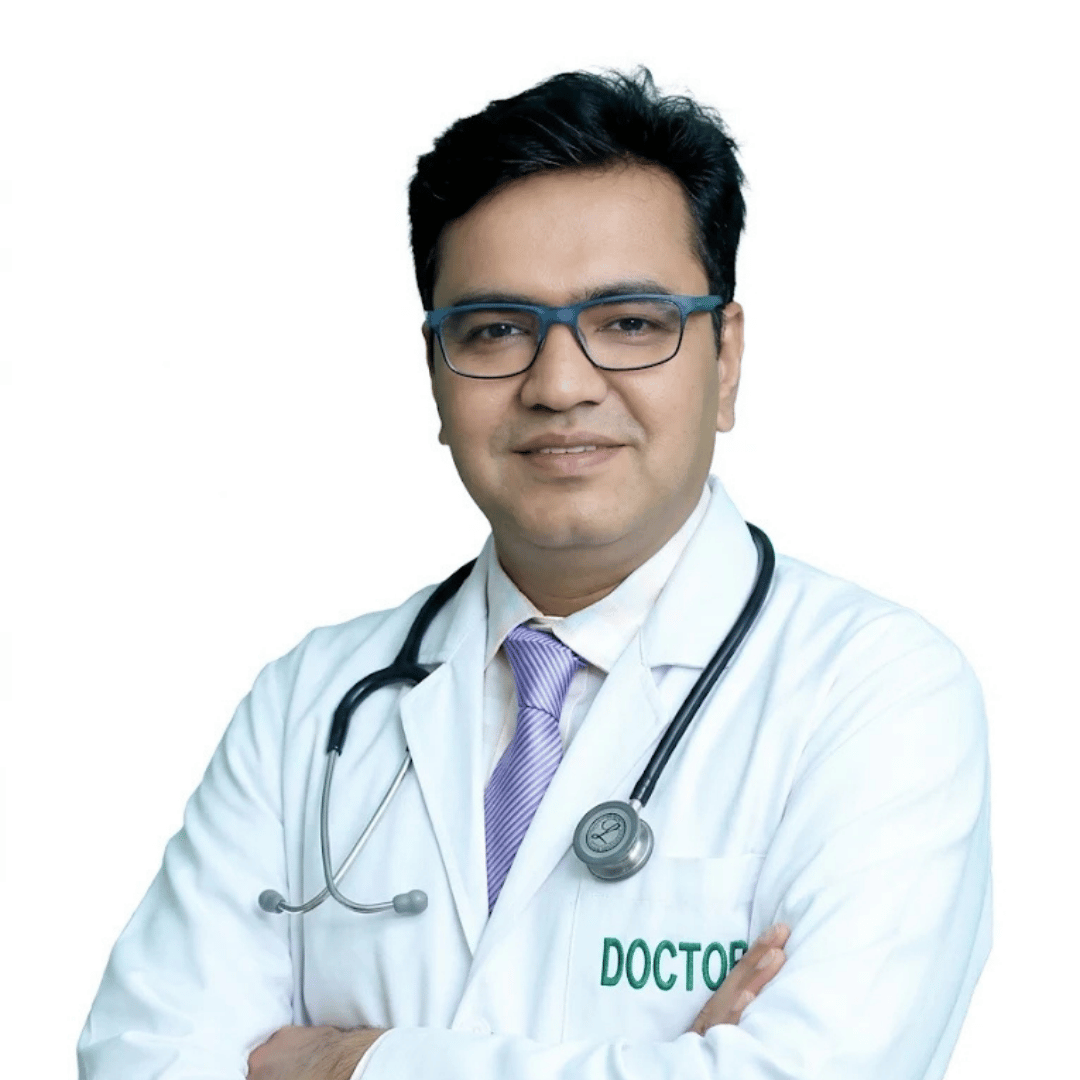

MBBS, BCS (Health), MS (Neurosurgery)
Brain, Stroke, Nerve & Spine Specialist & Surgeon
🎯 Brain tumor, Herniated disc, Spinal stenosis, Brain aneurysm, Head trauma
View Profile →
Neurosurgery
MBBS, MS (Neurosurgery)
Neurosurgery (Brain, Stroke, Nerve & Spine Surgery) Specialist
🎯 Expert in treating: Peripheral nerve, Spinal deformity, Cerebral aneurysm, Discectomy care, Neurovascular surgery
🎓 Assistant Professor, Neurosurgery
🏛️ Shaheed Shaikh Abu-Naser Specialized Hospital
Assistant Professor, Neurosurgery — Shaheed Shaikh Abu-Naser Specialized Hospital
Dr. Md. Mohsin Ali Farazi best Neurosurgeon doctor in Khulna City delivers specialized diagnostic and surgical care for complex brain, spine, nerve, and neurovascular conditions. Looking for the best Neurosurgeon doctor in Khulna, individuals consult him for precise neuro-surgical interventions, cerebral aneurysm repairs, and advanced spinal deformity correction protocols. His clinical practice spans adult neurosurgery, neurovascular surgery, peripheral nerve care, and discectomy procedures. He integrates international surgical standards with meticulous micro-neurosurgical techniques to optimize patient neurological outcomes.
🏥 Doctors Point Specialized Hospital, Khulna · Private Hospital
📍 49, KDA Avenue, Khulna
🕒 Visiting hours: 2:00pm to 3:00pm (Closed: Friday)
💳 Consultation fee: ৳800
Asst. Prof. Dr. Md. Mohsin Ali Farazi is an Assistant Professor of Neurosurgery at Shaheed Shaikh Abu-Naser Specialized Hospital, Khulna with over 20 years of distinguished clinical, surgical, and academic experience. As an eminent neurosurgeon, spine specialist, and neurovascular surgeon, he provides expert care for peripheral nerve disorders, spinal deformities, cerebral aneurysms, discectomy care, and neurovascular surgery. Patients seeking expert clinical evaluation for neurological and spinal conditions receive evidence-based surgical interventions tailored to restore neurological function. His medical practice combines high-precision micro-neurosurgery with individualized patient care plans.
Asst. Prof. Dr. Md. Mohsin Ali Farazi completed his MBBS degree, establishing a strong clinical foundation in general medical sciences. He pursued rigorous postgraduate surgical education, earning his Master of Surgery (MS) in Neurosurgery—a specialized doctorate-level qualification dedicated to operative disorders of the central and peripheral nervous systems. Finding the best Neurosurgeon in Khulna or a top Spine Surgeon in Khulna leads patients to rely on his two decades of academic leadership and specialized surgical expertise across major government specialized medical institutions. As an Assistant Professor of Neurosurgery at Shaheed Shaikh Abu-Naser Specialized Hospital, he delivers expert surgical interventions for complex cranial and spinal pathologies.
His specialized clinical practice encompasses microsurgical repairs for peripheral nerve injuries, corrective surgical interventions for spinal deformities, microvascular clipping and endovascular evaluations for cerebral aneurysms, minimally invasive discectomy care, and complex neurovascular surgeries. His surgical protocol combines high-resolution neuro-imaging, stereotactic navigation, and meticulous micro-neurosurgical techniques aimed at preserving neurological function and ensuring long-term recovery.
| Profile Field | Details |
| Full Name | Asst. Prof. Dr. Md. Mohsin Ali Farazi |
| Primary Specialty | Neurosurgery & Brain Surgery |
| Secondary Specialties | Spine Surgery, Neurovascular Care & Peripheral Nerves |
| Designation | Assistant Professor (Neurosurgery) |
| Workplace | Shaheed Shaikh Abu-Naser Specialized Hospital, Khulna |
| Total Experience | 20+ Years |
| Location | Khulna, Bangladesh |
MBBS – Bachelor of Medicine and Bachelor of Surgery
MS (Neurosurgery) – Master of Surgery in Neurosurgery
Designation: Assistant Professor (Neurosurgery)
Workplace: Department of Neurosurgery, Shaheed Shaikh Abu-Naser Specialized Hospital, Khulna
Peripheral nerve injury needs surgical repair.
Spinal deformity requires complex surgical correction.
Cerebral aneurysm demands urgent surgical intervention.
Discectomy care relieves nerve root compression.
Neurovascular surgery treats complex vascular lesions.
Brain tumor requires precise surgical excision.
Herniated disc causes severe nerve compression.
Spinal stenosis restricts normal spinal movement.
Head trauma requires immediate neurological care.
Trigeminal neuralgia causes severe facial pain.
Hydrocephalus care demands urgent shunt placement.
Skull fracture requires immediate surgical evaluation.
Stroke recovery requires comprehensive neuro rehabilitation.
Cervical spondylosis causes persistent neck pain.
Epilepsy surgery treats drug resistant seizures.
Asst. Prof. Dr. Md. Mohsin Ali Farazi provides comprehensive surgical and diagnostic services across all major fields of neurosurgery, neurovascular surgery, and spinal care.
Peripheral Nerve & Microsurgical Care: Advanced micro-neurosurgical repair, nerve grafting, and decompression for traumatic peripheral nerve injuries and entrapment neuropathies.
Spinal Deformity & Reconstruction: Complex surgical correction, osteotomy, and stabilization procedures for congenital and degenerative spinal deformities.
Cerebrovascular & Neurovascular Surgery: Microsurgical clipping and endovascular evaluation for cerebral aneurysms, arteriovenous malformations, and hemorrhagic strokes.
Discectomy & Degenerative Spine Care: Minimally invasive micro-discectomy and spinal decompression procedures for herniated discs and nerve root impingements.
A delicate micro-neurosurgical procedure utilizing high-powered operating microscopes to suture damaged nerve fascicles and restore sensory-motor function.
A complex reconstructive spine surgery designed to correct severe spinal deformities, restore sagittal balance, and stabilize unstable vertebrae.
An intracranial surgical intervention placing a titanium clip across the neck of a cerebral aneurysm to prevent fatal subarachnoid hemorrhage.
A localized, weakened bulge in a cerebral blood vessel wall that poses a severe risk of rupture, requiring urgent neurovascular surgical clipping or coiling.
Abnormal curvatures or structural misalignments of the spine—such as scoliosis or kyphosis—requiring specialized surgical reconstruction and fusion.
Traumatic or compressive damage to peripheral nerves resulting in localized motor weakness and sensory loss, demanding expert microsurgical repair.
Asst. Prof. Dr. Md. Mohsin Ali Farazi emphasizes thorough clinical neurological examination combined with advanced neuro-imaging (MRI, CT angiograms) to plan precise surgical approaches. His surgical philosophy prioritizes neural preservation, vascular integrity, and structured post-operative neuro-rehabilitation to achieve optimal functional recovery.
Emergency Callout: Immediate emergency neurosurgical attention is required if a patient experiences sudden severe headache of explosive onset, rapid loss of consciousness following head trauma, progressive neurological deficits, or acute limb paralysis.
Member, Bangladesh Medical and Dental Council (BMDC)
Member, Society of Neurological Surgeons of Bangladesh (SNSB)
Bring all prior brain or spine MRI scans, CT angiograms, and neurological evaluation reports.
Keep a complete list of current prescription medications, blood thinners, and past medical history.
Note down symptom progression dates, motor weakness patterns, and pain trigger zones.
Ensure a family member who understands the patient's neurological history accompanies the consultation.
Last Modified: October 14, 2026
Surgical intervention for peripheral nerve injuries is necessary when sharp lacerations occur, or when closed injuries fail to show signs of spontaneous recovery after a structured observation period. Microsurgical nerve repair or grafting bridges the damaged nerve gaps to restore motor and sensory function. Early surgical exploration significantly improves long-term functional recovery outcomes.
Complex spinal deformities are corrected through specialized reconstructive surgeries that may involve spinal osteotomies (cutting and realigning bone) combined with instrumentation using titanium rods and screws. These procedures restore normal spinal alignment, relieve nerve root compression, and achieve permanent mechanical stability. Diagnostic imaging and specialized planning guide the surgical correction.
A cerebral aneurysm is a weakened, bulging blood vessel in the brain that carries a catastrophic risk of rupture leading to subarachnoid hemorrhage. Unruptured aneurysms may be treated electively via microsurgical clipping to eliminate rupture risks, while ruptured aneurysms demand immediate emergency neurovascular intervention. Prompt specialist evaluation is vital for patient survival.
A micro-discectomy relieves nerve pain by removing the portion of the herniated intervertebral disc that is physically pressing against the adjacent spinal nerve root. Performed through a small incision using microsurgical magnification, this procedure preserves spinal stability while eliminating radiating leg or arm pain. Most patients experience immediate relief following surgical decompression.
Neurovascular surgery deals with delicate blood vessels supplying the brain and spinal cord, where even microscopic errors can result in significant neurological deficits or hemorrhage. Surgeons utilize advanced operating microscopes, temporary vascular clips, and intraoperative monitoring to manage complex aneurysms and vascular malformations safely. This expertise requires extensive specialized training and meticulous surgical precision.
Severe head trauma requires immediate neurological evaluation in a specialized emergency center to check for underlying brain injury, skull fractures, or intracranial hemorrhage. Continuous monitoring of consciousness levels and vital signs is essential to detect secondary brain swelling early. Emergency surgical intervention may be required if trauma causes significant brain compression or bleeding.
Neuro-navigation technology acts like a GPS system for the brain, mapping real-time surgical instruments onto pre-operative high-resolution MRI scans. This advanced imaging guidance allows neurosurgeons to navigate deep intracranial structures with millimeter-tier precision. It significantly enhances surgical safety and maximizes the completeness of lesion removals.
Yes, the vast majority of chronic lower back pain cases are successfully managed through non-surgical modalities such as targeted physical therapy, lifestyle modification, and epidural steroid injections. Surgery is reserved exclusively for structural instability, progressive weakness, or severe nerve compression. A neurosurgeon reviews all clinical findings before deciding on a surgical pathway.
Patients should bring all prior brain or spine MRI scans, CT angiograms, neuro-radiology reports, and previous surgical summaries. Providing a comprehensive list of current medications, particularly blood thinners, and a written timeline of symptoms is essential. Having these comprehensive records enables the neurosurgeon to formulate an accurate surgical evaluation and treatment plan.
No reviews yet — be the first to write one.
MBBS, BCS (Health), MS (Neurosurgery)
Brain, Stroke, Nerve & Spine Specialist & Surgeon
🎯 Brain tumor, Herniated disc, Spinal stenosis, Brain aneurysm, Head trauma
View Profile →MBBS, BCS (Health), MS (Neurosurgery)
Advanced Training in Endoscopic & Skullbase Surgery (Mumbai & Bangalore)
Member of American Association of Neurological Surgeons (AANS)
Member of European Association of Neurosurgical Societies (EANS)
Neurosurgery (Brain, Nerve, Spine, Stroke) Specialist
🎯 Spinal fusion, Brain hemorrhage, Cervical spondylosis, Carpal tunnel, Nerve compression
View Profile →MBBS, BCS (Health), MS (Neurosurgery), FACS (USA)
Neurosurgery (Brain, Nerve, Spine & Trauma) Specialist Surgeon
🎯 Spine surgery, Brain surgery, Trigeminal neuralgia, Paralysis care, Skull fracture
View Profile →MBBS, BCS (Health), MS (Neurosurgery), FACS (USA)
Member of European Association of Neurosurgical Societies (EANS)
Neurosurgery (Brain, Nerve, Spine & Stroke Surgery) Specialist
🎯 Spondylolisthesis, Pituitary tumor, Spinal tumor, Neurotrauma care, Epilepsy surgery
View Profile →MBBS, FCPS (Surgery), MS (Neuro Surgery)
Neurosurgery Specialist
🎯 Chiari malformation, Brain abscess, Spinal cord, Vascular malformation, Skull base
View Profile →All Neurosurgery doctors in Khulna → · All of Khulna Division →