

World Piles Day (November 20): Raise Awareness, Keep Your Digestive System Healthy
November 20 marks World Piles Day. Although hemorrhoids, commonly known as piles, are a widespread and common medical condition, social stigma and embarrassment often lead people to hide their symptoms and hesitate to seek proper medical care. As a result, a minor, easily treatable issue in its early stages gradually turns into a severe complication. The primary objective of this special day is to raise accurate public awareness about piles, dispel prevalent myths and misconceptions, and encourage timely consultation with specialist doctors. Remember, piles are not a shameful or secret disease—they are a completely curable medical condition.
🛑 Why Do Piles Occur? (Primary Causes)
When excessive pressure builds up in the blood vessels of the lower rectum and anus, they become swollen and inflamed, leading to piles or hemorrhoids. The most common factors responsible for this condition include:
Chronic Constipation: This is the leading cause of piles. Hard stools force individuals to strain heavily during bowel movements, damaging the delicate blood vessels.
Unhealthy Dietary Habits: A lack of fiber-rich foods (such as vegetables and fruits) in the daily diet, insufficient water intake, and excessive consumption of oily, spicy, and fast foods.
Prolonged Sitting on the Toilet: Habits like using a mobile phone on the toilet or sitting for extended periods while exerting unnecessary pressure.
Lack of Physical Activity: Leading a sedentary lifestyle with long hours of continuous sitting and a lack of regular walking or exercise.
Pregnancy and Obesity: During pregnancy, the growing uterus puts pressure on the pelvic veins; similarly, excess body weight increases pressure on the lower rectal blood vessels.
Genetics and Aging: Having a family history of piles or the natural weakening of anal tissues with advancing age increases the risk.
🩺 What Are the Symptoms and When Should You See a Doctor?
Symptoms vary depending on the type (internal or external) and severity of the condition. Early detection is crucial for effective treatment. The primary symptoms include:
Painless Bleeding: Noticing bright red blood on toilet paper or in the toilet bowl during or immediately after a bowel movement.
Swelling or Lumps Around the Anus: Feeling small lumps or swollen tissue inside or outside the anal opening, which may sometimes protrude outward after passing stool.
Pain and Discomfort: Experiencing sharp pain, burning sensations, or general discomfort in the anal area during or after bowel movements.
Itching and Mucus Discharge: Persistent itching, moisture, or slimy mucus discharge around the anal skin.
Feeling of Incomplete Evacuation: Feeling as though the bowels have not completely emptied even after using the toilet.
⚠️ When Not to Delay: If you experience frequent rectal bleeding, a lump that cannot be pushed back inside, unbearable pain, or signs of weakness and anemia due to excessive blood loss, do not delay—consult a general or colorectal surgeon immediately.
💡 Break the Myths and Seek Modern, Proper Treatment
Numerous misconceptions and fears surround piles in our society. Many people mistakenly believe that painful, complicated surgery is the only solution for piles. This belief is entirely false!
Medication in Early Stages: If piles are diagnosed in Grade 1 or Grade 2, they can often be completely cured through simple dietary adjustments, lifestyle modifications, and prescribed medications or topical ointments.
Modern and Painless Procedures: Medical science has revolutionized piles treatment. Even in advanced stages, bloodless and virtually painless recovery is possible through modern minimally invasive and non-surgical techniques such as Laser Surgery, Rubber Band Ligation, and Stapled Hemorrhoidopexy (MIPH), allowing patients to return to their normal routines quickly.
Beware of Fake or 'Quack' Treatments: Out of fear or ignorance, many patients turn to unqualified practitioners or unscientific 'quack' treatments. These practitioners often use harmful acids or corrosive chemicals that cause permanent damage to the anal canal, leading to severe complications like anal strictures (narrowing) or even increasing cancer risks. Additionally, avoid self-medicating with unprescribed antibiotics or painkillers.
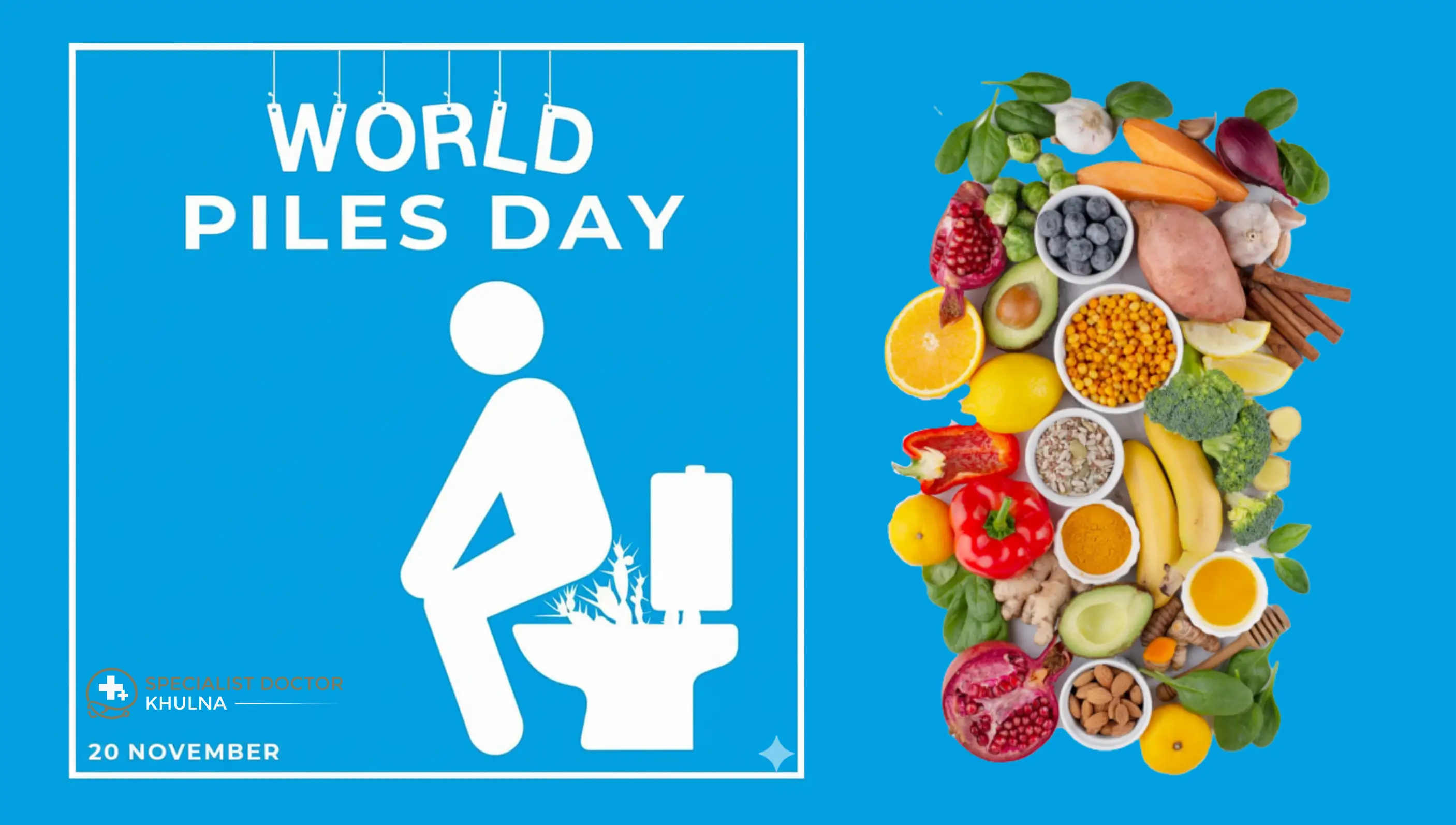
✅ Effective Ways to Prevent Piles
Preventing piles is remarkably simple. Incorporating a few basic, healthy habits into your daily routine can keep this painful condition at bay:
Stay Hydrated: Drink at least 2.5 to 3 liters of clean water daily to keep stools soft and easy to pass.
Increase Fiber Intake: Include plenty of green leafy vegetables, seasonal fruits, lentils, oats, whole grains, and psyllium husk (Isabgul) in your daily meals.
Never Suppress the Urge: Go to the bathroom as soon as you feel the urge. Holding it in causes stools to harden, leading to constipation.
Avoid Prolonged Toilet Time: Break the habit of taking phones or reading materials into the bathroom, and avoid excessive straining during bowel movements.
Exercise Regularly: Walk or engage in light physical exercise for at least 30 to 40 minutes every day to keep your digestive system active and maintain healthy blood circulation.
Maintain a Healthy Weight: Manage excess body weight and take short walking breaks if your job requires sitting for long hours.
Our Pledge on World Piles Day: "Choose awareness over hesitation; avoid quacks and mistreatment, and seek modern medical care on time."
Remember, a healthy digestive system is the key to a healthy and joyful life!